In today’s fast-evolving world, transforming your living space into a smart home is not just a trend but a step toward a more sustainable future. With rising energy costs and growing environmental concerns, integrating smart home innovations offers a practical way to reduce your carbon footprint while enhancing comfort and convenience. This ultimate guide explores how smart technologies can reshape your home into an eco-friendly haven and provides actionable steps to get started.
What Makes a Home “Smart” and Sustainable?
A smart home uses interconnected devices and systems that can be controlled remotely or automated to optimize energy use, security, and overall efficiency. When these technologies focus on sustainability, they help minimize waste, conserve resources, and reduce greenhouse gas emissions.
Key features of a sustainable smart home include:
- Energy-efficient appliances: Devices designed to consume less power without compromising performance.
- Automated lighting and climate control: Systems that adjust based on occupancy, time of day, or weather conditions.
- Renewable energy integration: Solar panels or wind turbines paired with smart energy management.
- Water-saving devices: Smart irrigation and leak detection to prevent waste.
How Can Smart Home Technologies Reduce Your Environmental Impact?
Smart home devices offer measurable reductions in energy and water consumption by tailoring usage to actual needs rather than habitual or manual control. For instance, smart thermostats can lower heating and cooling energy by 10% to 15% annually by learning your routine and adjusting temperatures accordingly.
Additionally, smart lighting systems equipped with sensors and timers ensure lights are only on when necessary, cutting electricity bills by up to 20%. Water-saving innovations, such as smart irrigation controllers, optimize watering schedules based on weather forecasts and soil moisture, potentially reducing outdoor water use by 30% or more.
Case Study: The Eco-Friendly Smart Home in Action
Consider the example of a family in Portland who retrofitted their 2,000-square-foot home with smart thermostats, LED lighting controlled by motion sensors, and solar panels. Within six months, they reported a 25% reduction in electricity consumption and a 40% decrease in water bills, all while maintaining comfort and convenience. This demonstrates the tangible benefits of integrating smart technology with sustainability goals.
Which Smart Devices Should You Prioritize?
Choosing the right smart home innovations depends on your current setup, budget, and sustainability goals. Here are some practical recommendations:
- Smart Thermostats: Devices like the Nest Learning Thermostat or Ecobee adapt to your schedule, reducing energy waste.
- Smart Lighting: Use LED bulbs combined with smart switches or motion sensors to minimize unnecessary lighting.
- Energy Monitors: Tools such as Sense or Emporia Vue provide real-time insights into your electricity use, helping identify energy hogs.
- Smart Plugs and Power Strips: Control devices remotely and schedule power-downs to avoid phantom energy drain.
- Water Management Systems: Smart irrigation controllers and leak detectors prevent overwatering and water damage.
- Renewable Energy Systems: Solar panels integrated with energy storage and smart inverters maximize clean energy use.
How to Start Your Smart Home Transformation for Sustainability?
Transforming your living space doesn’t require a complete overhaul overnight. Follow these steps to create an actionable plan:
- Conduct an energy audit: Identify areas where your home wastes energy or water. Many utility companies offer free or low-cost assessments.
- Set clear sustainability goals: Whether reducing your energy bills by 15% or cutting water use by 25%, measurable targets help guide your choices.
- Start with high-impact upgrades: Install a smart thermostat and LED lighting as initial steps—they offer quick returns on investment.
- Expand with automation: Add sensors, smart plugs, and irrigation systems to further optimize resource use.
- Consider renewable energy: Evaluate solar panels or other green energy options that fit your home’s location and budget.
- Monitor and adjust: Use energy monitoring tools to track progress and tweak settings for maximum efficiency.
Table: Estimated Energy Savings from Common Smart Home Upgrades
| Smart Device | Average Energy Savings | Typical Payback Period |
|---|---|---|
| Smart Thermostat | 10-15% on heating/cooling | 6-12 months |
| LED Smart Lighting | 15-20% on lighting | 3-6 months |
| Smart Irrigation Controller | 20-30% on outdoor water use | 12-18 months |
| Energy Monitor | Varies (identifies waste) | N/A |
What Challenges Might You Face?
While smart home innovations offer many benefits, it’s important to be aware of potential obstacles:
- Upfront costs: Some devices and systems can be expensive initially, though savings often offset this over time.
- Compatibility issues: Not all smart devices work seamlessly together, so choosing products that integrate well is crucial.
- Privacy and security concerns: Smart homes collect data, so ensuring strong passwords and secure networks is essential.
- Learning curve: Some users may find new technologies intimidating but starting with simple devices eases adaptation.
How Can You Ensure Your Smart Home Remains Sustainable Long-Term?
Maintaining a sustainable smart home requires ongoing attention and updates. Here are best practices:
- Regularly update software: Manufacturers release updates that improve efficiency and security.
- Review energy reports: Monthly insights help you spot inefficiencies and adjust behavior or settings.
- Upgrade devices thoughtfully: Replace outdated equipment with newer, more efficient models when possible.
- Engage all household members: Educate family or roommates about the benefits and proper use of smart tech to maximize impact.
Conclusion: Taking the First Step Toward a Greener, Smarter Home
Transforming your living space with smart home innovations is a powerful way to contribute to a sustainable future. By embracing energy-efficient devices, automation, and renewable energy, you can significantly reduce your environmental impact while enjoying enhanced comfort and convenience. Start small with key upgrades like smart thermostats and lighting, monitor your progress, and expand your system over time.
Ready to make your home smarter and greener? Begin today by assessing your current energy use and exploring which smart technologies fit your lifestyle and goals. Remember, every small step counts toward a more sustainable tomorrow.

Navigating the Challenges of Modern Relationships

Navigating Modern Relationships Through Emotional Intelligence

Modern Relationships: Key Strategies for Lasting Connection

Home Decor Trends: Transform Your Space with Style

Smart Space-Saving Ideas for a More Functional Home
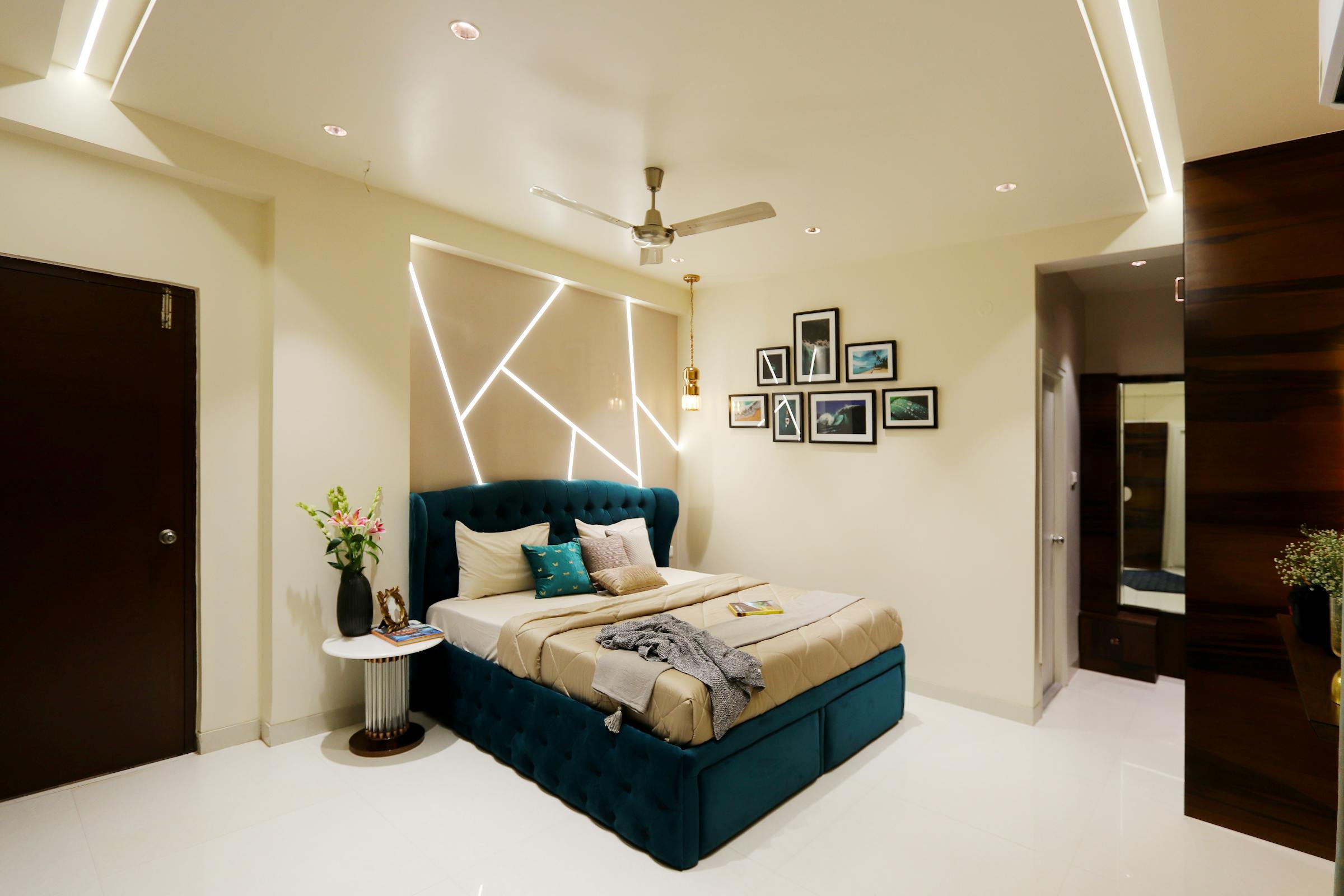
Smart Home Solutions for a Greener, Modern Living Space

Creative Garden Design Ideas for Every Outdoor Style

Transform Your Garden: Innovative Landscaping Ideas

Inside Sainsbury’s 2025: What It’s Really Like to Work There